
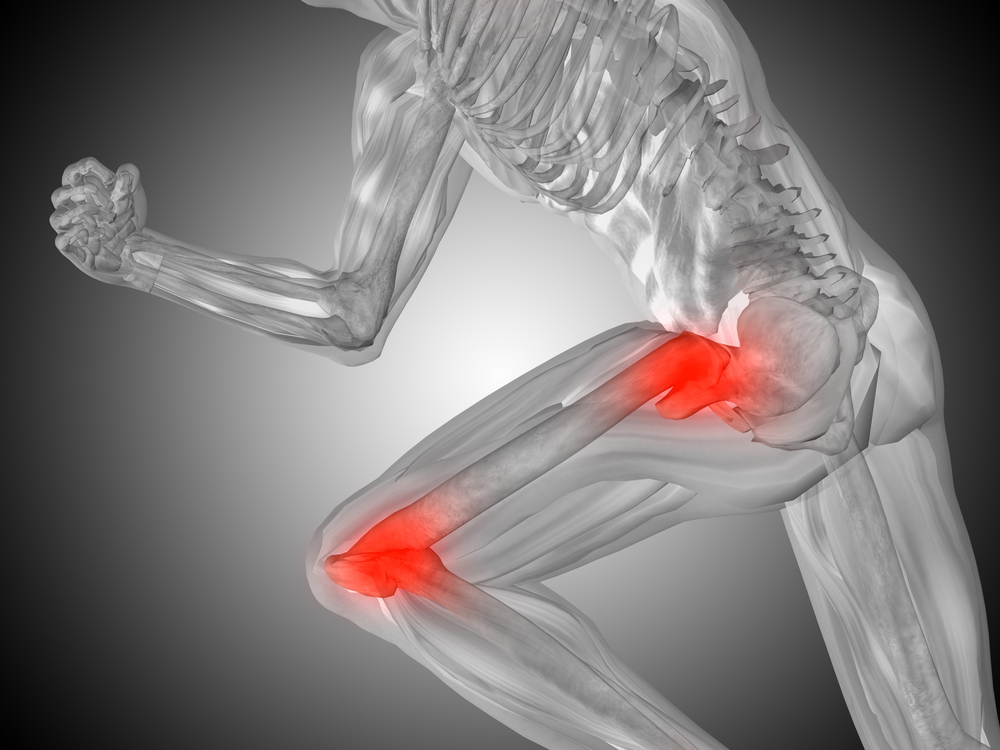
Hip & Knee Pain
Even routine activities can become painful when you are experiencing knee or hip discomfort.
The hips and knees play a critical role in stability and mobility during walking and other daily movements. Pain or dysfunction in these joints can result from injury, arthritis, or general wear and tear.
Hip and knee pain can also lead to reduced mobility, muscle weakness, difficulty bearing weight, and challenges with movements such as rising from a chair. Early evaluation and targeted service can help restore function and improve quality of life.
Even simple daily activities can become painful when dealing with hip or knee discomfort. The hips and knees are essential for stability and mobility, and pain in these joints can result from injury, arthritis, overuse, or age-related changes. Pain may also cause reduced mobility, muscle weakness, difficulty bearing weight, or trouble performing everyday tasks such as climbing stairs or rising from a chair.
Causes of Hip Pain
Hip pain can arise from several conditions:
-
Tendonitis: inflammation of tendons causing acute pain
-
Arthritis: joint pain, stiffness, and reduced mobility
-
Osteoarthritis: cartilage degeneration leading to joint wear
-
Rheumatoid arthritis: autoimmune joint inflammation
-
Bursitis: inflammation of the fluid-filled sacs near the hip joint
-
Injury or trauma: fractures, overuse, or poor posture
Causes of Chronic Knee Pain
Chronic knee pain can develop gradually or result from multiple factors. Common causes include:
-
Osteoarthritis: joint degeneration and inflammation
-
Tendinitis: pain aggravated by activity or climbing stairs
-
Bursitis: inflammation from overuse or injury
-
Chondromalacia patella: cartilage damage under the kneecap
-
Gout: uric acid buildup in the joint
-
Meniscus or ligament tears: including ACL injuries
-
Baker’s cyst: fluid buildup behind the knee
-
Bone tumors: such as osteosarcoma
-
Dislocation: trauma-related kneecap displacement
When to Seek Care
Contact a healthcare professional promptly if you experience:
-
Persistent or worsening pain
-
Swelling, tenderness, warmth, or redness in the joint
-
Deformity or severe bruising
-
Fever or signs of infection
-
Pain accompanied by weakness, numbness, or inability to bear weight
Early evaluation is important to prevent complications such as joint deformity or osteoarthritis caused by untreated conditions like septic arthritis.
Service for Hip and Knee Pain
Our medical team develops personalized service plans to reduce pain, restore function, and improve mobility. While some approaches include medications or surgery, many patients prefer non-surgical options.
-
Physical therapy: strengthens muscles and improves joint function
-
Targeted rehabilitation: improves flexibility, range of motion, and strength
Our goal is to help patients return to daily activities, maintain independence, and avoid unnecessary surgery or long-term medication.
Request a consultation today to find the right solution for hip or knee pain and regain your mobility.